

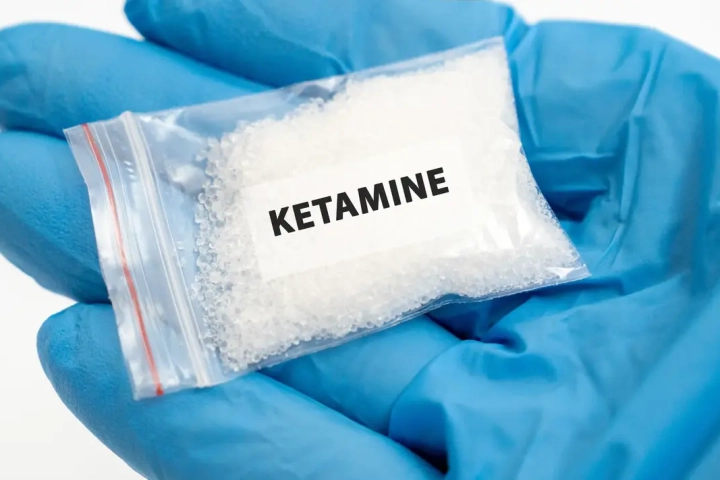
As Freshers Week starts across the UK, most safety advice students hear is about alcohol. But the latest government treatment data suggests that’s no longer where the bigger risk lies.
In 2024/25, 5,365 adults started treatment for ketamine problems in England, making up 3.2% of all new treatment entrants. This is an increase of 2.3% compared to the year before, and more than 12 times higher than the 426 people who started ketamine treatment a decade earlier in 2014/15 (GOV.UK, Adult Substance Misuse Treatment Statistics 2024 to 2025).
The residential treatment provider that operates as part of The Perry Clayman Project, Rehab Today, is seeing the same pattern across its centres, with a 30% year-on-year increase in ketamine-related enquiries. More people under 40 are now coming to Rehab Today with ketamine as their main addiction, a group who would previously have come to them for alcoholism.
Ketamine has become more common on nights out and is often used alongside alcohol, but many students and parents still don’t know that regular use can cause serious bladder and stomach problems. Withdrawal can bring on cravings and a low, anxious mood lasting weeks after the physical symptoms settle.
With 33% of students saying drugs feel like a part of university culture (SOS UK, Student Alcohol and Drugs Survey 2025), Rehab Today wanted to share some practical, non-judgemental safety guidance before it becomes a bigger problem than students realise.
Andy Kalli, Centre Manager at Rehab Today, who specialises in the psychology of substance use and addiction counselling, provides five tips for students over Freshers Week:
Know the early warning signs – Bladder pain, needing to wee more urgently or more often, and stomach cramps are some of the first physical signs of regular ketamine use, not just a “comedown.”
Don’t mix it with alcohol – Combining depressant drugs multiplies the risk of losing consciousness or having an accident, and makes overdose far more likely.
Never use alone – If you or a friend do use any drugs or go out drinking, stay together, stay somewhere safe, and make sure someone sober knows where you are. It might be worth turning on your location and sharing it with someone you trust or the friends you’re going out with, just in case you end up losing anybody.
Watch out for each other, not just yourself – Heavy use can build up over a few weeks before it looks like a problem. You should be checking in with flatmates and friends regularly to make sure they’re doing ok, not just on big nights out.
Know it’s okay to ask for help early – Withdrawal and low mood can last well beyond the first few days; reaching out to university welfare services or a GP early is far easier than waiting for a crisis.
Andy Kalli adds, “Every month, we’re seeing more young people come to us with ketamine as their main problem rather than alcohol. It doesn’t carry the same stigma as other drugs, so people can be using it heavily for a long time before anyone notices, including themselves. Freshers Week is exactly the moment to get this message out, before, not after, students form habits that are hard to break.”
Rehab Today runs several CQC and HIW-registered centres across the UK, offering personalised residential treatment for substance and behavioural addictions, and works to reduce stigma around addiction through education and awareness.
More information on ketamine withdrawal is on Rehab Today’s website here: www.rehabtoday.com/ketamine-withdrawal