
Edinburgh’s reputation as one of the world’s great cities for live performance rests on the artists and companies who fill its stages. For many of them, the economics of being here are becoming increasingly difficult to sustain.
Scottish Ballet’s bill for housing its touring company of up to 150 performers and crew in standard Edinburgh hotels has risen by 72% between December 2019 and December 2025. That pushes the company’s annual Edinburgh accommodation bill past £200,000 before a dancer takes to the stage. From 24 July, the City of Edinburgh Council’s new 5% visitor levy lands in an ecosystem already under considerable strain.
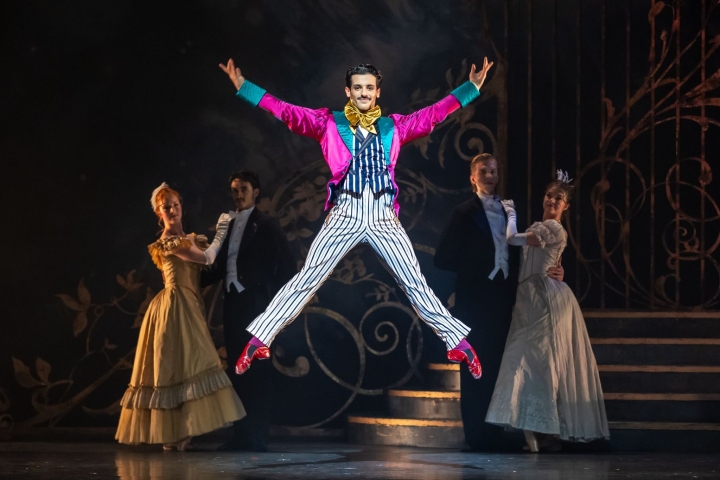
Scottish Ballet’s nationwide tour of Cinders! plays the Festival Theatre for 17 performances from 11 to 24 December. The company had hoped the production would run through to New Year’s Eve, but rising costs made this impossible, leaving the Festival Theatre dark over the festive period for the first time in recent memory.
The levy, capped at five nights, falls hardest on shorter tours. Spring and autumn tours of four or five nights bear the full cost. Unlike leisure visitors, Scottish Ballet’s performers and crew have no choice about where they stay. Union agreements and performer health and safety requirements necessitate housing the touring company close to the performance venue in all cities, including Edinburgh.
The pressures are particularly acute for the thousands of self-funded artists who come to Edinburgh every August for the Festivals. For freelancers, as for touring companies, Edinburgh is not a choice to be made lightly, and a levy that adds to the considerable costs of performing raises questions of about the viability of the city as a destination for independent artists.
These pressures predate the levy. Parliamentary scrutiny of the Bill heard that Scottish hospitality businesses were already seeing profits fall despite rising occupancy and turnover. Arts companies face similar pressures of expenses rapidly outstripping revenue. Audiences are showing up in record numbers – more than 37 million people attended theatre across the UK in 2025 – yet ticket prices are held steady to protect access, government funding for National Performing Companies is at standstill, and costs continue to rise. Arts companies rely on ticketing revenue, philanthropy, sponsorship, and public funding to bring work to the stage, and this mix is increasingly not enough. A visitor levy that adds to that burden risks empty stages and fewer artistic voices.
The levy also risks making Edinburgh more expensive at the one point arts organisations cannot control or subsidise: the cost of the trip itself. The same parliamentary scrutiny process heard that overnight visitors spend six times what day visitors spend. A visitor who can only afford to stay for one night instead of two, or to daytrip rather than stay over, spends less in Edinburgh’s restaurants, bars and independent shops – businesses already navigating rising fuel costs, supply chain inflation and the same cost-of-living pressures bearing down on everyone else.
The Scottish Government’s own impact assessment, conducted before the legislation passed, explicitly identified reduced visitor spend, shorter stays and knock-on effects for the wider economy as foreseeable consequences of a visitor levy.
The levy is intended in part to fund cultural activity, and that is a legitimate ambition. Funding already committed to restoring Leith Theatre and transforming the Old Royal High School into a national music centre are welcome investments in the city’s cultural infrastructure. However, the performers and companies who bring those buildings to life face no equivalent support at a time when the costs of doing so continue to rise.
Christopher Hampson, CEO and Artistic Director of Scottish Ballet, said: “Edinburgh is known around the world as a city where the arts are alive in a way that is genuinely rare. That reputation was built by the companies and performers who have committed to this city year after year. We remain committed to Edinburgh, but that commitment needs to be a two-way street.”
Scottish Ballet is calling on the City of Edinburgh Council to consider an exemption or relief mechanism for Scotland’s National Performing Companies within the visitor levy scheme. Four of the five NPCs are Glasgow-based and must treat Edinburgh as a touring destination, absorbing rising accommodation costs as a structural feature of their annual budgets with no ability to pass them on.
Steven Roth, Executive Director of Scottish Ballet, said: “The economics of touring to Edinburgh are fast becoming unsustainable. We will keep finding ways to make it work because we believe in this city. But a visitor economy that becomes too expensive for both the artists who animate it and the audiences who come to see them risks undermining the very thing that makes Edinburgh worth visiting.”