
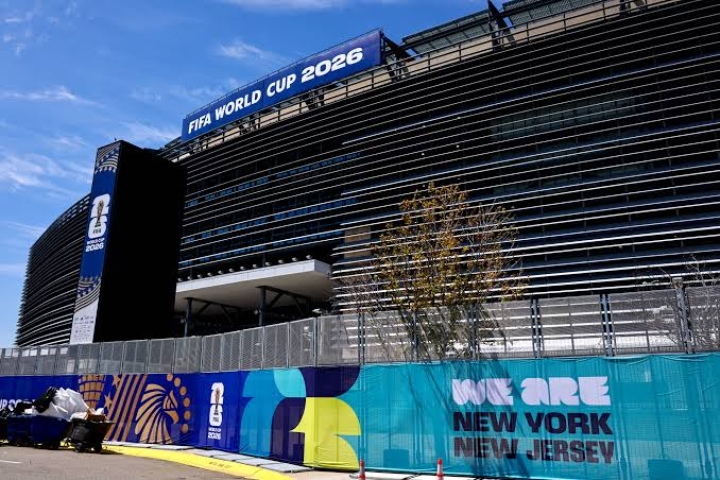
Norway and Senegal meet in one of the most intriguing fixtures of the 2026 FIFA World Cup group stage when the two nations face each other in Group I at MetLife Stadium in East Rutherford, New Jersey, on Monday, 22 June 2026. Kick-off is scheduled for 8pm local time (1am BST on Tuesday, 23 June), with both sides fully aware of the significance of the contest as the race for qualification enters a decisive phase.
With France and Iraq completing the four-team group, every point carries considerable weight. Norway arrive at the second round of group matches in an encouraging position after beginning their campaign with victory, while Senegal are seeking an immediate response following defeat in their opening fixture. The expanded World Cup format has altered the dynamics of the group stage, but the importance of avoiding a setback at this stage remains as great as ever.
For Norway, the tournament represents a long-awaited return to football’s biggest stage. The Scandinavian nation had spent almost three decades absent from the men’s World Cup before securing qualification for the 2026 finals. Their opening performance against Iraq offered supporters a glimpse of what this talented generation can achieve, combining attacking quality with the confidence that has developed under manager Ståle Solbakken.
A 4-1 victory over Iraq ensured Norway made an emphatic start to life back at the World Cup. Erling Haaland once again demonstrated why he is regarded as one of the most feared strikers in international football, scoring twice as Norway established control of the contest. Although the scoreline suggested a comfortable evening, there were periods when Iraq caused problems, and Solbakken will know that improvements are still required against stronger opposition.
The Norwegian squad possesses far greater depth than previous generations. Alongside Haaland, captain Martin Ødegaard remains the creative heartbeat of the side, while players such as Alexander Sørloth, Antonio Nusa, Oscar Bobb, Sander Berge and Jørgen Strand Larsen provide additional attacking threat and technical quality. That blend of experience and emerging talent has transformed expectations surrounding the national team.
Much attention naturally focuses on Haaland, whose scoring record for club and country continues to attract global attention. His two-goal display against Iraq extended a remarkable run in front of goal and reinforced his status as Norway’s most decisive attacking weapon. Yet one of the key talking points before this encounter is how effectively Norway can support their centre-forward against a Senegal defence renowned for its physical strength and organisation.
Ødegaard’s influence will also be closely monitored. Despite Norway’s winning start, the captain faced scrutiny from sections of the Norwegian media following the Iraq match. Team-mates and staff have publicly defended the midfielder, emphasising his importance to the national side. His ability to dictate tempo, create passing angles and unlock compact defensive structures could prove essential against opponents likely to contest every metre of the pitch.
At the back, Norway will take confidence from the leadership of players such as Leo Østigård and Julian Ryerson. While defensive lapses were exposed on occasion during the opening match, the overall structure remained solid enough to secure three points. Solbakken’s challenge is to strike the correct balance between attacking ambition and defensive discipline, particularly when facing a Senegal team capable of transitioning rapidly from defence into attack.
No confirmed suspensions have been reported within the Norwegian squad ahead of the match. Likewise, there are no widely confirmed injury absences among the players expected to be available for selection, giving Solbakken a strong pool of options as he prepares for one of the most demanding fixtures in the group.
Across the pitch stands a Senegal side carrying both expectation and urgency. The West Africans have established themselves as one of the continent’s leading football nations over the past decade and arrived in North America with ambitions of making another deep run in the tournament. However, their campaign began with disappointment after a 3-1 defeat to France.
The scoreline only told part of the story. Senegal produced an energetic and competitive display for long periods against one of the tournament favourites. There were phases of the match in which they appeared capable of taking control, only for France’s superior efficiency in key moments to prove decisive. Head coach Pape Thiaw subsequently highlighted the need for greater aggression and improved effectiveness in both penalty areas.
That defeat leaves Senegal under pressure, but not in a position of panic. A positive result against Norway would immediately revive their prospects before a final group match against Iraq. The squad possesses enough quality and tournament experience to respond strongly, and several senior figures have previously thrived under the spotlight of major international competitions.
Sadio Mané remains the most recognisable figure in the Senegal ranks. The experienced forward continues to be a central presence within the national team setup and provides leadership alongside his attacking contribution. His movement, work rate and ability to produce moments of quality in tight matches make him one of the players Norway must contain.
Support is available throughout the side. Nicolas Jackson offers pace and direct running in advanced areas, while Ismaïla Sarr provides width and acceleration capable of stretching defensive lines. Iliman Ndiaye adds creativity between midfield and attack, creating a varied offensive structure that can pose problems in multiple ways.
The midfield remains anchored by experienced international performers. Idrissa Gana Gueye continues to bring energy and defensive awareness, while Pape Matar Sarr supplies athleticism and ball progression. Their duel with Norway’s midfield unit could become one of the defining aspects of the contest, particularly if possession becomes fiercely contested in central areas.
Defensively, Senegal possess players with extensive experience at the highest level. Kalidou Koulibaly remains a commanding presence at the heart of the back line, while goalkeeper Edouard Mendy provides reassurance behind him. Together they form part of a defensive core that has been central to Senegal’s success over recent years and will be eager to demonstrate greater resilience after conceding three times against France.
As with Norway, no confirmed suspensions have been reported ahead of the fixture, and there are no major verified injury concerns affecting the core of Thiaw’s squad. That should allow the Senegal coach to select from a near full-strength group as he seeks a response to the opening defeat.
Tactically, the match presents a fascinating contrast. Norway often look to build attacks through controlled possession, using Ødegaard’s distribution and the movement of attacking runners around Haaland. Quick switches of play and overlapping full-backs are important features of their approach, while direct deliveries into dangerous areas can exploit Haaland’s finishing instincts.
Senegal, meanwhile, combine athletic intensity with technical quality. They are comfortable pressing aggressively but can also sit compactly before launching swift counter-attacks through their pacey forwards. The ability to transition rapidly from defence to attack has long been one of their strengths and may become particularly valuable if Norway commit numbers forward.
Set pieces could also prove influential. Both teams possess aerial strength and several players capable of delivering dangerous balls into the penalty area. In matches between evenly matched opponents, dead-ball situations frequently become decisive, and neither manager will overlook that possibility.
Historical meetings between the nations are limited. Their only previous senior international encounter came in a friendly in 2006, when Senegal recorded a 2-1 victory. While that result offers little direct relevance to the present day, it underlines how rare meetings between the two countries have been.
The broader historical context is arguably more significant. Norway are seeking to establish themselves among the world’s leading football nations once again after years spent outside major tournaments. Qualification for this World Cup was viewed as a major milestone, but expectations have grown because of the talent available within the squad.
Senegal, meanwhile, continue to carry the hopes of a footballing nation that has become accustomed to competing on the biggest stages. Their run to the quarter-finals in 2002 remains one of African football’s most celebrated achievements, and successive generations have attempted to build upon that legacy. Consistent qualification for major tournaments has strengthened their international reputation, but ambitions extend beyond simply participating.
Group I remains finely balanced despite the opening results. Norway entered the second round of matches in a strong position after their victory over Iraq, while Senegal know that avoiding defeat could prove crucial in maintaining control of their own destiny. With France widely regarded as the group’s strongest side on paper, every point earned elsewhere assumes increased importance.
Several individual battles are likely to attract attention. Haaland against Koulibaly promises to be one of the most compelling contests anywhere in the group stage. The Norwegian striker’s movement and finishing will test the Senegal captain’s positioning and leadership. Elsewhere, the creative influence of Ødegaard against Senegal’s energetic midfield unit could shape the rhythm of the match.
Beyond the tactical details and statistical implications lies the broader attraction of a World Cup encounter between two ambitious footballing nations. Both squads feature players accustomed to performing on major stages, both are led by managers determined to guide their countries deeper into the tournament, and both recognise that the outcome could significantly alter the complexion of Group I.
As kick-off approaches in New Jersey, anticipation continues to build around a fixture carrying consequences well beyond the ninety minutes themselves. Norway have momentum and confidence following an impressive opening victory. Senegal possess the motivation that often accompanies a team seeking an immediate response after disappointment. The combination should create an intense and highly competitive occasion beneath the lights of MetLife Stadium, with valuable World Cup points at stake and qualification ambitions hanging firmly in the balance.